Behind the Book: Q&A with the Author
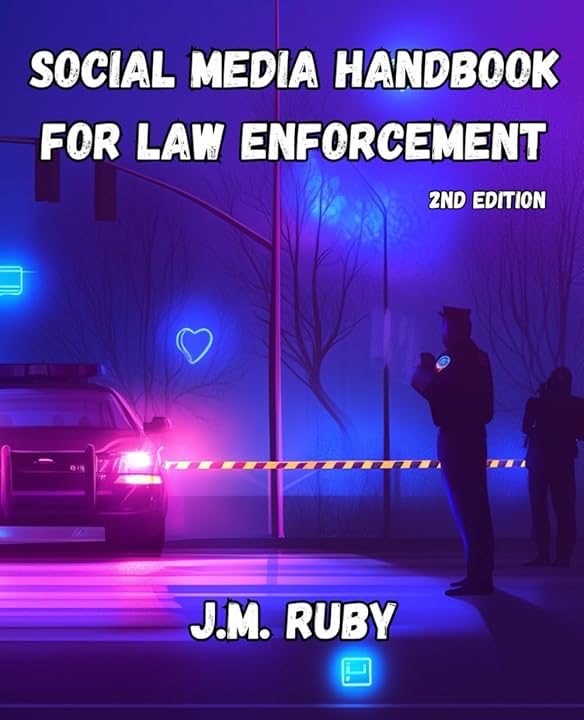
A look at why the Social Media Handbook for Law Enforcement was written and how it can help agencies.
Q: What inspired you to write this book?
Social media has fundamentally changed how law enforcement communicates with the public. I saw a gap in training and best practices, with many agencies struggling to use social media effectively. This book was created to give law enforcement professionals the tools they need to build trust, engage their communities, and manage crises online.
Q: What makes this book different from other social media guides?
Unlike generic social media guides, this book is tailored specifically for law enforcement. It covers not only best practices for engagement but also legal considerations, crisis communication, and strategies for dealing with misinformation.
Q: What are some of the biggest challenges agencies face on social media?
The biggest challenges include misinformation, public scrutiny, and balancing transparency with operational security. Agencies also struggle with finding the right tone, knowing what to post, and handling negative comments appropriately.
Q: Who should read this book?
This book is for anyone in law enforcement responsible for social media, including public information officers, department leaders, and officers who manage online engagement. Even those new to social media will find actionable strategies they can implement immediately.
Q: What’s one key takeaway from the book?
Agencies must take control of their own narrative. If they don’t tell their story, someone else will—and it may not be accurate. Proactive engagement, transparency, and a well-thought-out strategy are critical for success.