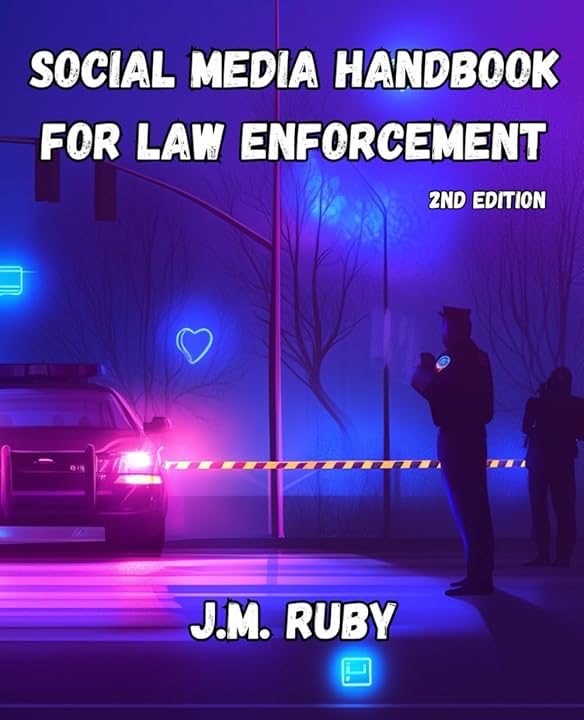
The Power of Storytelling in Law Enforcement Social Media
Why compelling narratives can transform public perception and engagement.
Storytelling is one of the most powerful tools law enforcement agencies can use on social media. Rather than simply posting statistics or reports, agencies that use personal, compelling narratives can build stronger community trust and engagement.
Why Storytelling Matters
People remember stories more than facts. A well-crafted story humanizes officers, highlights positive interactions, and provides context to law enforcement actions that may otherwise be misunderstood.
Types of Stories to Share
- Officer Spotlights: Share stories about officers who go above and beyond to serve the community.
- Community Impact Stories: Highlight cases where police efforts have made a difference in someone's life.
- Behind-the-Scenes Looks: Show training, day-to-day policing, and efforts that the public rarely sees.
- Historical Cases: Share insights into cases that shaped your department and its community involvement.
How to Tell a Great Story
Effective storytelling requires more than just a good anecdote. Follow these principles to make your stories impactful:
- Make it Personal: Use names, emotions, and real experiences to make the audience feel connected.
- Keep it Concise: Attention spans are short, so focus on the key details.
- Use Strong Visuals: Photos and videos bring stories to life.
- End with a Message: Leave the audience with a takeaway, whether it's appreciation for law enforcement or a safety tip.
Conclusion
Storytelling is an essential strategy for law enforcement agencies using social media. By sharing real, relatable stories, departments can enhance public trust, boost engagement, and make a lasting impact on their communities.